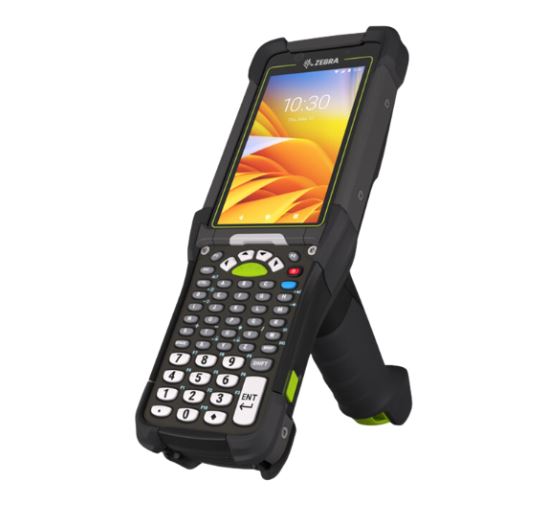
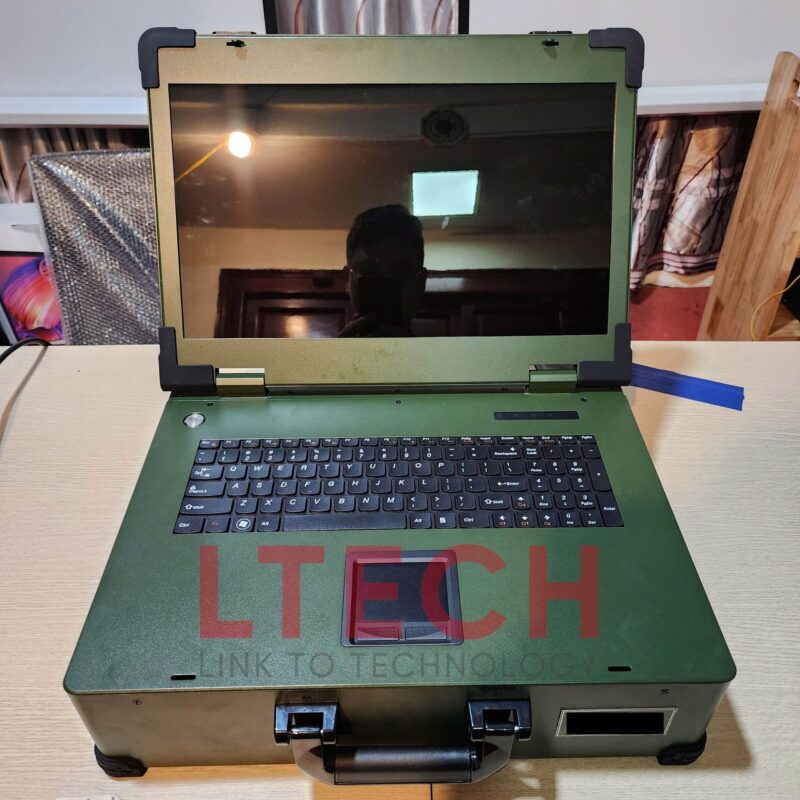
By Industry
Our Industry Solutions can give your business a competitive advantage by connecting people, assets and data to help you control and make better decisions more promptly.




Okay, so check this out—I’ve been knee-deep in Solana for years, and somethin’ jumped out at me last month that I can’t stop thinking about. Whoa! The ecosystem is fast, cheap, and feels like a chaotic farmer’s market on Main Street—full of promise and a lot of noise. My instinct said: “Watch the validators first.” Seriously? Yes. Because everything else—staking, SPLs, NFTs—relies on that bedrock layer working the way you expect it to. Initially I thought picking any validator would do. But then I realized the subtle ways validator choice affects slashing risk, commission churn, and long-term governance voice.
Here’s the mess: many guides talk about APY and commission, and they gloss over uptime nuance. Hmm… that bugs me. Short term, high APY looks sexy. Long term, downtime bites hard. On one hand you can chase yield and hope networks stay stable. On the other hand, you can prioritize reliability and governance alignment, though actually—those priorities aren’t mutually exclusive if you filter right. I want to walk you through a practical way to choose validators, manage SPL tokens safely, and keep your NFTs organized without turning your ledger into a paperweight.
First, a quick gut-level checklist. Really? Yep. 1) uptime from multiple sources, 2) validator self-reports vs third-party monitoring, 3) commission stability, 4) community reputation and on-chain behavior, and 5) whether the operator contributes to entangled tools like RPC nodes. That’s not exhaustive, but it’s practical. My bias is toward operators who publish telemetry and who engage with the community—I’m biased, but that transparency matters.
Validator selection is less glamorous than yield farming, but it’s foundational. Whoa! Evaluate errors not only by percentage but by context—maintenance window vs repeated reboots. Short outages are annoying. Repeated failures are dangerous. Medium-length explanations help here: check Solana Beach, SolanaFM, or custom dashboards for historical uptime, and cross-reference with community threads to see if a validator responds to issues promptly. Longer thought: look at how a validator behaves during upgrades and network stress tests, because a reliable operator will have clear upgrade procedures and contingency plans, which reflect operational maturity, staffing, and risk tolerance, all of which matter if you plan to stake for the long haul.
Now, staking mechanics. You can stake through custodial services, pooled operators, or directly to a validator from your wallet. Each has trade-offs. Custodial is easy but centralizes risk. Direct staking keeps control but requires you to choose the right validator and accept illiquidity for a period. Pooled solutions offer liquidity tokens but introduce protocol risk. I’m not 100% sure about every new liquid-staking product—some are experimental—but the principle holds: fewer intermediaries equal fewer failure modes.

Short story: SPL tokens are the plumbing. Really. They move value quickly and cheaply, but that speed creates clutter. I keep my active trading assets in one account and my longer-term SPL holdings in a secondary account. Simple. This reduces accidental swaps and keeps transaction history readable. Medium detail: use memo fields sparingly, and tag transactions locally if your wallet supports it, because native explorers often don’t let you add personal notes. Longer view: think in terms of purpose-built accounts—staking, active trading, collectibles—and treat account hygiene like basic cybersecurity; isolation reduces blast radius if keys leak.
For NFT management, the user experience is uneven across wallets and marketplaces. Here’s what bugs me about many wallets: they pretend to be galleries but ignore provenance and gasless mint failbacks. Hmm… if you care about provenance and long-term storage, off-site backups of mint receipts and metadata snapshots matter. Also, move high-value NFTs to a cold account and don’t use that account for daily DeFi ops. My instinct said to separate art and art speculation. That separation saved me from a marketplace exploit last year—small win, big relief.
Wallet selection is a personal call. That said, if you want a pragmatic, Solana-native option that balances UX and security, consider a modern, audited wallet that supports staking, SPL token management, and NFT viewing. Check this solflare wallet for a feel of what that looks like in practice. I’m not paid to plug it—just saying, it hits many boxes: staking UI, token management, and decent NFT handling. Everyone’s mileage will vary, and remember: the wallet’s convenience must be weighed against your threat model.
Threat models: don’t skip this. Short phrase: who are you defending against? A friend stealing your laptop is different from a nation-state targeting your seed phrase. Medium thought: use hardware wallets for high-value holdings. Use hot wallets for day-to-day. Consider multi-sig for treasury-level assets. Longer reflection: the more value you accumulate in the ecosystem, the more discipline you need—procedures, redundancy, and rehearsed recovery steps, because panic never helps and people often forget their recovery steps when under stress.
Operational tips that actually help: rotate RPC providers, keep a rogue list of bad validators, and run small test transactions before big moves. Really small tests save headaches. Also, keep two lists—one of validators you trust and one of those you avoid. This is silly but useful: you can re-stake quickly if something goes sideways. Oh, and by the way, document your staking decisions—why you chose a validator, when you swapped, and what you were optimizing for. It sounds nerdy, but notes pay dividends after a few months of portfolio churn.
Short answer: not constantly. Weekly checks are fine for most retail users. Medium: rebalance when a validator changes commission drastically, if a validator develops repeated downtime, or if a validator’s APY diverges because of undelegation events. Long-term: keep a plan—set thresholds for rebalancing and stick to them so you avoid emotional switching during short-term noise.
Isolate by purpose. Use one account for trading, one for staking, one for collectibles. Keep high-value items in cold storage. Track metadata off-chain for provenance. And, importantly, test interactions on small amounts when using new marketplaces or bridges—double-check approvals so you don’t accidentally authorize a contract that drains tokens.
Okay, final note—I’m leaving you with a slightly different feeling than when we started. At first I was hyped, a little reckless. Now I’m cautious but optimistic. The Solana stack rewards clarity and discipline more than sheer hustle. Keep learning, keep notes, and treat validator choice as ongoing risk management rather than a one-time checkbox. Things change fast here—very very fast—so stay curious, and stay safe.